


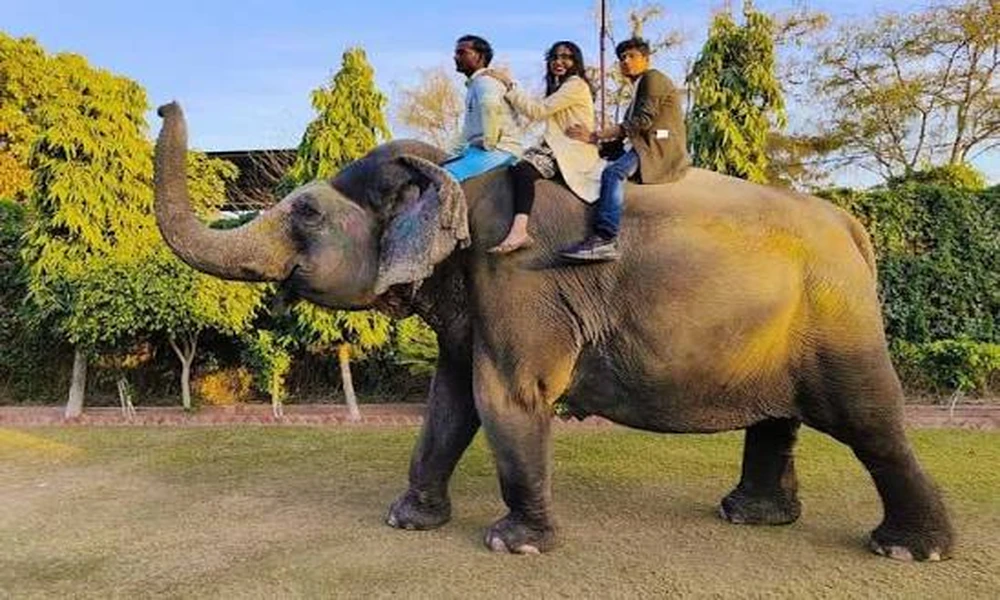
Freedom reveals an elephant’s real character with surprising clarity. Calm surroundings encourage natural habits without constant human direction. Visitors notice family bonds through quiet observation instead of staged displays. Respect grows from witnessing everyday behavior across open landscapes. Such experiences explain why an ethical elephant sanctuary thailand visit carries deeper value than ordinary wildlife entertainment.
Respect Shapes Daily Elephant Care
Good welfare begins with thoughtful care rather than attraction planning. Keepers observe movement before making any decision. Each animal receives attention based upon individual condition. Older elephants need different treatment than younger companions. Social groups remain together because familiar relationships reduce stress. Gentle handling builds confidence over time through patient interaction.
What Distinguishes Responsible Sanctuaries?
Careful research prevents disappointing wildlife experiences before any reservation. Honest facilities explain welfare standards through clear information instead of dramatic promises.
- Rescue histories remain openly available.
- Large habitats encourage free movement.
- Medical care matches individual needs.
- Visitor numbers stay carefully limited.
- Feeding follows balanced nutritional plans.
Those features reveal commitment beyond attractive promotional material.
Conservation Requires More Than Rescue
Saving one elephant represents only part of meaningful conservation work. Healthy forests provide food, shade, and safe travel routes. Habitat protection reduces conflict between wildlife and nearby communities. Time spent inside an ethical elephant sanctuary thailand environment reveals rehabilitation through patient care rather than commercial performances. Each recovery story reflects persistence instead of quick success.
Visitor Decisions Influence Animal Welfare
Thoughtful choices strengthen responsible tourism across elephant habitats. Before booking, compare welfare practices through reliable information instead of photographs alone.
Consider these important points:
- Transparent care policies.
- Independent veterinary oversight.
- Spacious natural surroundings.
- Quiet visitor experiences.
Respectful observation creates memorable moments without unnecessary physical interaction. Simple actions during one visit encourage higher welfare expectations across tourism.
Ethical Tourism Leaves Lasting Change
Responsible travel rewards organizations placing welfare above entertainment. Rescue programs improve lives through patient rehabilitation and informed management. Protected habitats preserve natural behavior across future generations. Each thoughtful visit strengthens places choosing compassion instead of profit. Those decisions influence wider tourism standards long after one journey ends.
FAQs
1. What activities happen inside ethical sanctuaries?
Visitors observe feeding, walking, bathing, and natural social interaction without rides or performances.
2. Why do ethical sanctuaries avoid elephant rides?
Riding often depends upon harmful training methods and unnecessary physical strain.
3. Can rescued elephants live independently again?
Some adapt successfully, although permanent care remains necessary for many individuals.
4. What should visitors check before booking?
Review welfare policies, habitat quality, veterinary care, and rescue backgrounds before choosing any sanctuary.
