


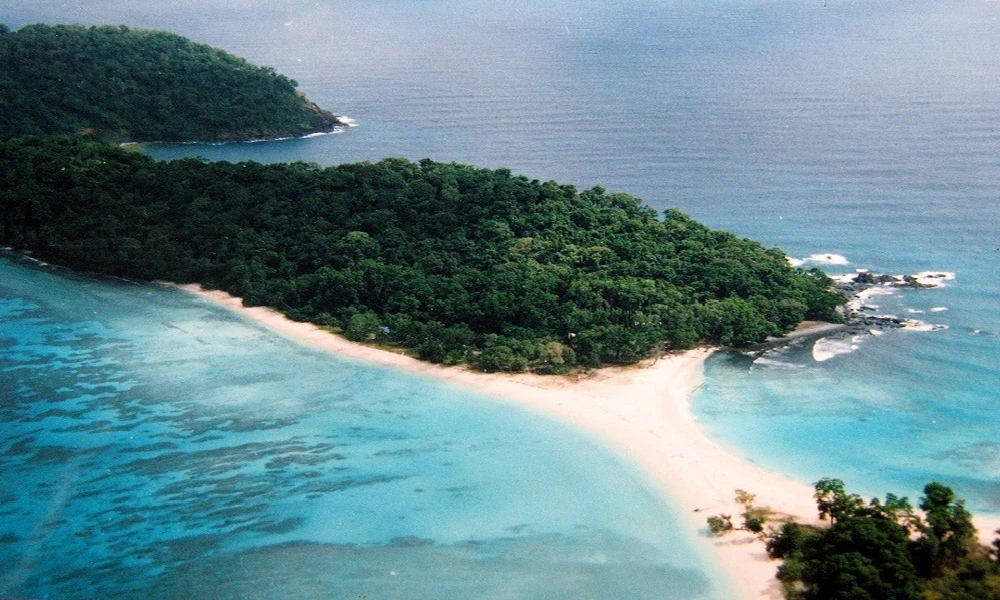
Eco tourism in Andaman protects the islands by limiting how many people reach fragile spots. Permit caps, alternating access to coral islands, a strict single-use plastic ban and regulated diving keep reefs, turtles and rainforest intact, while local communities earn from conservation rather than from harming it.
What does eco tourism in Andaman actually mean?
Eco tourism in Andaman means travel that leaves the islands’ reefs, forests and wildlife in better shape than mass tourism would. It is not just a resort label. The Andaman and Nicobar Administration treats it as policy, backed by its Ecotourism Policy Guidelines, and enforces it with permits, caps and seasonal closures. You feel it before you even leave the airport, when your bag may be checked for banned plastic.
The islands are worth the effort. More than 500 islands, thick tropical rainforest and some of India’s healthiest coral reefs sit here, along with nesting beaches for green, hawksbill and giant leatherback turtles. A lot of this survives precisely because access is kept tight.
How does eco tourism protect the Andaman ecosystem?
Protection here is written into the rules, not left to goodwill. A handful of mechanisms do most of the work.
- Daily caps on fragile sites. The Mahatma Gandhi Marine National Park near Wandoor releases only a limited number of permits each day, so coral-viewing crowds never swamp the reef. Come early, or you miss the boat.
- Island rotation. Jolly Buoy and Red Skin take turns opening to visitors. One rests while the other receives tourists, giving each reef several months to recover every year.
- A strict plastic ban. Since 2019, single-use plastic, including water bottles under two litres and all carry bags, is banned across the islands. Officials inspect luggage at entry points and fine anyone carrying it.
- Regulated diving and snorkelling. Licensed operators work only inside marked zones, and guides stop divers from touching, standing on or feeding around coral.
- Local livelihoods. When islanders earn as guides, boat crew and homestay hosts, a living reef becomes their income instead of a cost, which changes behaviour more than any signboard.
Which places show conservation actually working?
The clearest example is the marine park at Wandoor, about 30 km from Port Blair, where the reefs off Jolly Buoy and Red Skin stay vivid because footfall is capped and rotated. Snorkelling here happens from glass-bottom boats and short guided swims, not free-for-all wading.
Turtle nesting beaches tell the same story. Kalipur beach near Diglipur, in North Andaman, sees olive ridley, green, hawksbill and leatherback turtles come ashore between roughly December and March, and the forest department runs a hatchery to protect the eggs. Watching a nesting turtle at night, from a distance and without flash, is eco tourism at its best.
In Havelock, now Swaraj Dweep, kayaking through the mangroves at dusk shows a side of the islands that speedboats miss, with far less disturbance to the water and the birdlife.
What do most eco-tourists in Andaman get wrong?
Plenty of well-meaning travellers still damage the reef by accident. A little honesty helps more here than any brochure.
Ordinary sunscreen is the quiet culprit. Most chemical sunscreens contribute to coral bleaching, and reef-safe versions are not yet enforced on the islands, so you have to bring your own. Standing on coral for a photograph kills it, even once. Feeding fish changes their behaviour and unbalances the food chain. Buying shell, coral or turtle-shell souvenirs is illegal, and it fuels the trade that empties the reef.
There is also a crowding problem worth naming. Radhanagar beach on Havelock is genuinely lovely, yet it draws heavy footfall, while quieter spots like Long Island or the far north around Diglipur carry a fraction of the load and reward you more. Spreading out is itself a conservation act.
Glass-bottom boats get sold as harmless. They are gentler on the coral than clumsy snorkelling, but careless anchoring still snaps reef, so pick operators who use fixed moorings.
How can you travel responsibly in Andaman?
Small choices add up. Before you go, and while you are there:
- Pack a steel bottle and cloth bags. Leave every single-use plastic at home, or it may be confiscated at the airport.
- Carry reef-safe, mineral sunscreen, and cover up with a rash guard instead of layering on cream.
- Never touch, stand on or collect coral, shells or sand.
- Choose dive and snorkel operators certified by PADI or SSI who brief you on reef rules.
- Stay in smaller eco-lodges and homestays that hire and buy locally.
- Keep well back from turtles, dolphins and nesting sites, and switch off the flash.
- Say no to shell and coral souvenirs, however tempting the stall.
When is the best time to visit for low-impact travel?
The dry, calm months from November to April are easiest for the sea and best for diving visibility. They are also the busiest, so book early. May and the shoulder weeks bring fewer crowds and lower prices, with the trade-off of choppier crossings and the odd cancelled ferry. The southwest monsoon, roughly June to September, is quiet and green, though many boat trips pause for safety and to rest the reefs.
| Season | Sea and diving | Crowds | Eco notes |
|---|---|---|---|
| Nov to Apr | Calm, best visibility | Highest | Reefs busiest, book well ahead |
| May and shoulders | Warm, occasional swell | Lower | Cheaper, ferries can cancel |
| Jun to Sep | Rough, many trips paused | Lowest | Reefs rest, greenest landscape |
If you want the lightest footprint and the lowest cost, the shoulder season rewards you, as long as you keep your plans flexible.
Frequently asked questions
What is eco tourism in Andaman?
It is travel run to protect the islands rather than exploit them. The administration caps visitor numbers at fragile reefs, rotates access to coral islands, bans single-use plastic and regulates diving. Tour income also flows to local guides and homestays, which turns conservation into a livelihood instead of a burden.
Do I need a permit for the Mahatma Gandhi Marine National Park?
Yes. Entry is ticketed and the daily permit count is limited, so reach Wandoor early. As of September 2026 the fee is roughly 50 rupees for Indian visitors and 500 rupees for foreign nationals, plus separate boat charges. Carry photo ID, since a copy is submitted with the entry form.
Is plastic really banned in the Andaman Islands?
It is. Since 2019 the administration has banned single-use plastic across the islands, including carry bags and water bottles under two litres. Luggage is checked at entry points and fines apply. Carry a refillable steel bottle and cloth bags, and refill from filtered water at your stay.
When are Jolly Buoy and Red Skin islands open?
They alternate to let each reef rest. Jolly Buoy is usually open around November to May and Red Skin around June to October, though the administration sets exact dates each year. Both sit inside the marine park and are reached from Wandoor jetty, so confirm which one is open before you plan the day.
Is scuba diving allowed in eco-sensitive areas of Andaman?
Yes, through licensed operators working in designated zones. Guides brief you not to touch, stand on or feed marine life, and diving is not permitted inside the strictest no-go reef sections. Choosing a PADI or SSI certified centre keeps both you and the reef safer.
Do foreign tourists need a Restricted Area Permit?
For most popular islands, no. Since 2018 foreign tourists have been able to visit around 30 designated islands without a Restricted Area Permit, subject to a valid visa. Tribal reserves and the Nicobar group stay off limits, and nationals of a few countries still need prior clearance, so check current rules before booking.
Which beach is best for turtle nesting in Andaman?
Kalipur beach near Diglipur in North Andaman is the standout, with four turtle species nesting between roughly December and March and a forest-department hatchery on site. Watch quietly from a distance, avoid torches and flash, and never handle the turtles or the eggs.
How can I reduce my impact while visiting Andaman?
Skip single-use plastic, use reef-safe sunscreen, and never touch or collect coral, shells or sand. Book certified dive operators, stay in locally run lodges, and give wildlife space. Spreading your trip beyond the busiest beaches to quieter islands eases pressure on the most crowded reefs.
To know more information about eco tourism in Andaman, check out andamantourism.org
