


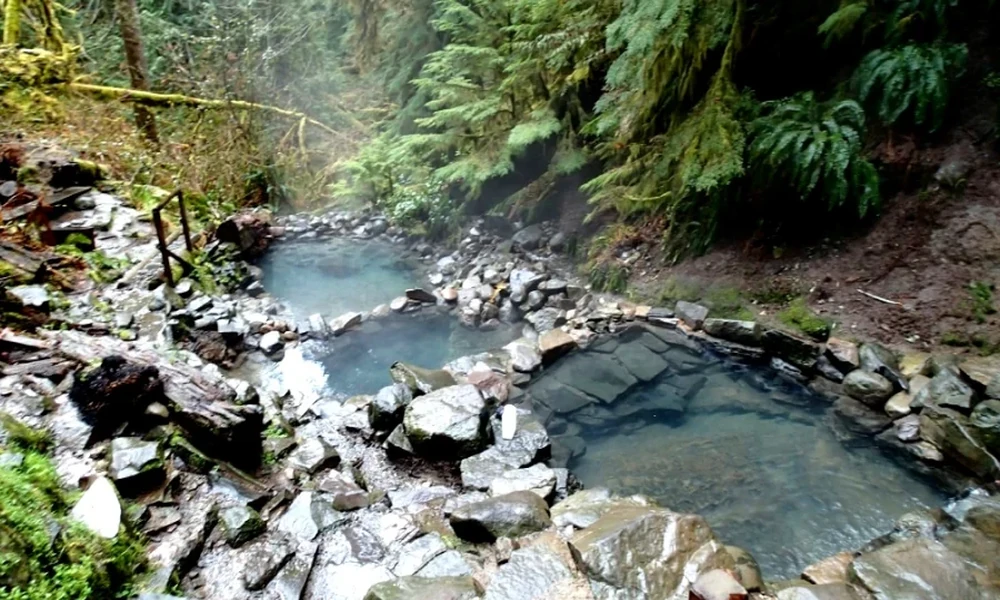
Quick answer: Sikkim’s hot springs, called tsha-chu or tatopani, are sulphur-rich pools that locals soak in for skin and joint relief. The easiest to reach are Reshi in the west and Yumthang in the north. Winter, roughly December to February, is soak season for the lower springs, while Yumthang is best from March to June. North Sikkim springs need a permit through a registered operator.
You do not visit a Sikkim hot spring for a fancy spa day. You come for a warm, mineral pool in a plain hut, usually beside a cold river, where families have soaked for generations to ease sore joints and skin trouble. In Sikkim these springs are called tsha-chu in Bhutia and tatopani in Nepali, which just means hot water.
This guide keeps it simple: where each spring is, when to go, how warm the water gets, and what you can skip.
What are the hot springs in Sikkim called, and why do people go?
They are called tatopani or tsha-chu, and people go mainly for the sulphur-rich warm water that locals trust for skin problems and aching joints. Faith and habit play a big part too.
The water usually reaches around 50 degrees Celsius at the source (as commonly reported locally; exact figures vary by spring and season) and carries a strong sulphur smell, a bit like boiled eggs. At most springs it is fed into small concrete or wooden tubs inside a hut, so you soak in a tub, not a wild open pool. The setup is basic, and that is the point.
Which are the best hot springs in Sikkim?
Sikkim has around five to seven known hot springs. Four are realistic for most travellers: Reshi, Yumthang, Borong and Ralong. Here is a quick map before the detail.
| Hot spring | Region | Nearest base | Best time | Permit |
|---|---|---|---|---|
| Reshi (Phurchachu) | West Sikkim | Legship / Pelling | Dec to Feb | No PAP |
| Yumthang | North Sikkim | Lachung | Mar to Jun | PAP needed |
| Yume Samdong | North Sikkim | Lachung | Apr to Jun | PAP needed |
| Borong (Phurchachu) | South Sikkim | Ravangla / Ralong | Dec to Feb | No PAP |
| Ralong | South Sikkim | Ravangla | Dec to Feb | No PAP |
PAP stands for Protected Area Permit, needed for North Sikkim. More on that below. All figures are current as of September 2026.
Reshi hot spring (West Sikkim)
This is the most visited hot spring in Sikkim and the easiest for first-timers. Reshi, also called Phurchachu, sits on the banks of the Rangit River, about 6 km from Legship and within easy reach of Pelling.
You drive most of the way, then walk 10 to 15 minutes and cross a footbridge to the bathing huts. Winter is the real season. Around Maghe Sankranti in mid-January, pilgrims camp for days to bathe, so it gets crowded. Go on a weekday if you want quiet.
Yumthang hot spring (North Sikkim)
Yumthang is the postcard one, set in the Yumthang Valley near Lachung at roughly 3,500 m. A short walk and a footbridge bring you to a couple of huts with tubs fed by the spring.
Come between March and June, when the rhododendrons are out and the road is open. In deep winter the valley is often under snow and access can shut. You will need a Protected Area Permit and a registered operator to get here.
Borong and Ralong hot springs (South Sikkim)
These two sit near Ravangla and Ralong Monastery, about 7 km apart. Ralong is easier to reach. Borong, another Phurchachu, needs a short drive plus a downhill walk of 30 to 40 minutes, so wear proper shoes. Like Reshi, both are winter soaks, and far quieter than Yumthang.
Yume Samdong (for the adventurous only)
Yume Samdong, near Zero Point, lies about 25 km beyond Yumthang at the base of Donkia La. It is remote, often snowbound, and sees very few visitors. Treat it as a bonus if your itinerary already goes that far, not a standalone trip.
When is the best time to visit hot springs in Sikkim?
For the lower springs (Reshi, Borong, Ralong), December to February is best. The cold air makes the warm water feel wonderful, and this is when locals soak for health. For Yumthang and the north, aim for March to June.
- Skip the monsoon (roughly mid-June to September). Landslides and roadblocks are common, and river levels near the springs rise.
- Winter mornings are cold. Carry a towel, slippers and a change of dry clothes.
- Weekends and mid-January get busy at Reshi. Plan around Maghe Sankranti if you want space.
Do you need a permit for Sikkim’s hot springs?
It depends on where you go. Reshi, Borong and Ralong sit in areas open to Indian tourists without a special permit, though foreign nationals need the usual Sikkim entry permits. Yumthang and Yume Samdong are in North Sikkim, which needs a Protected Area Permit.
The PAP is arranged through a registered Sikkim operator with a Sikkim-registered vehicle, against a fixed itinerary, and solo travel is not allowed in these sectors. In peak months (April to June and October to early December), apply 5 to 7 days ahead. Rules can change with weather or local orders, so confirm close to your travel date (as of September 2026).
How hot is the water, and is soaking safe?
Warm but comfortable at most tubs, since the hottest source water is usually cooled a little before it reaches you. A soak of 15 to 20 minutes is plenty. Step out if you feel light-headed, especially at altitude like Yumthang.
- Do not soak on a completely empty stomach or right after a heavy meal.
- Stay hydrated. The heat plus altitude can tire you fast.
- Keep soap and shampoo out of the source pools. Locals treat these waters as sacred.
- Facilities are basic. Expect simple changing huts, not lockers or showers.
FAQ: Hot springs in Sikkim
Are hot springs in Sikkim natural?
Yes. They are natural geothermal springs rich in sulphur. The water is simply channelled into huts and tubs for bathing; it is not heated artificially.
Is there an entry fee for Sikkim hot springs?
Most springs are free or charge only a small amount for the hut or changing space.
Which is the easiest hot spring to reach in Sikkim?
Reshi in West Sikkim. It needs no Protected Area Permit for Indian tourists and involves only a short walk from the road, which makes it ideal for families and first-timers.
Can I visit Yumthang hot spring in winter?
Often no. Yumthang and the higher north valleys are frequently closed by snow in deep winter. March to June is the reliable window. Check road status before you plan.
Are Sikkim’s hot springs good for skin problems?
Locals have long believed the sulphur-rich water helps with skin conditions and joint pain, and many soak for days in winter. Treat it as traditional belief, not medical treatment, and see a doctor for anything serious.
Do foreigners need a permit for Reshi hot spring?
Foreign nationals need the standard permit to enter Sikkim, but Reshi itself is not in a Protected Area sector. North Sikkim springs like Yumthang do need a Protected Area Permit through a registered operator.
Plan your soak
Sikkim’s hot springs reward a little planning and a slow morning. Pick your season, sort your permits early, and treat the basic huts as part of the experience. For routes, permits and a local team that knows these valleys, explore https://sikkimtourism.org/.
